
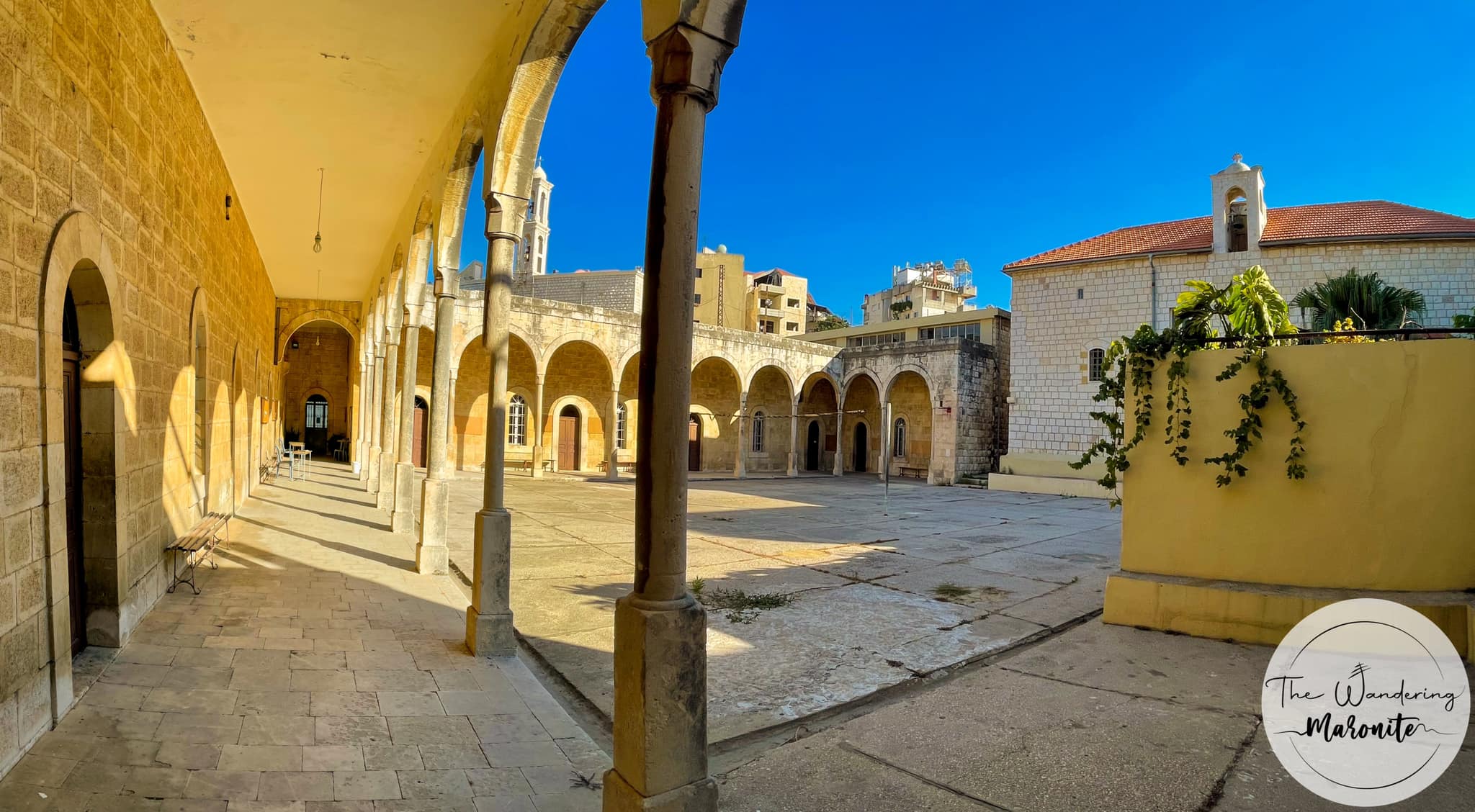
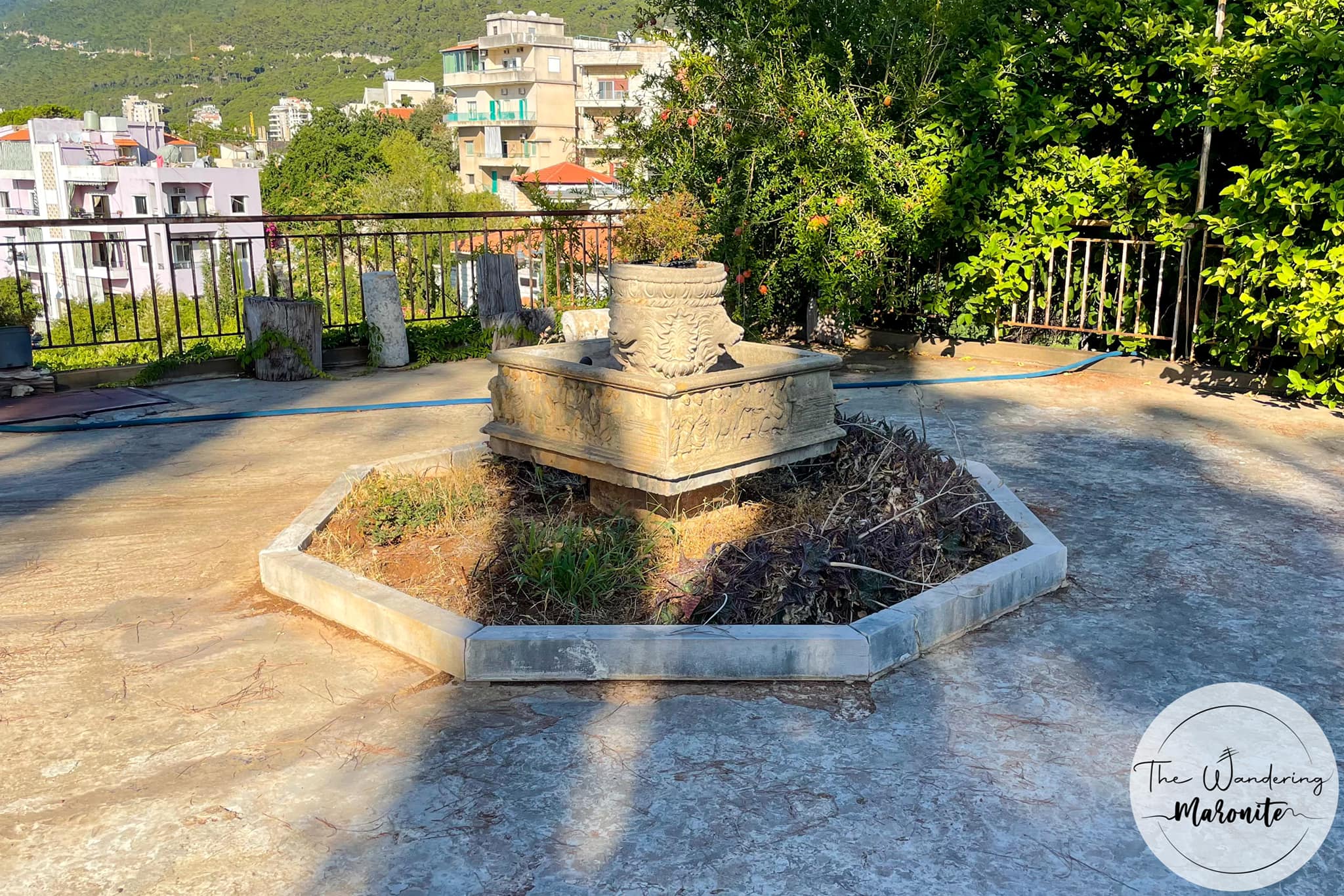
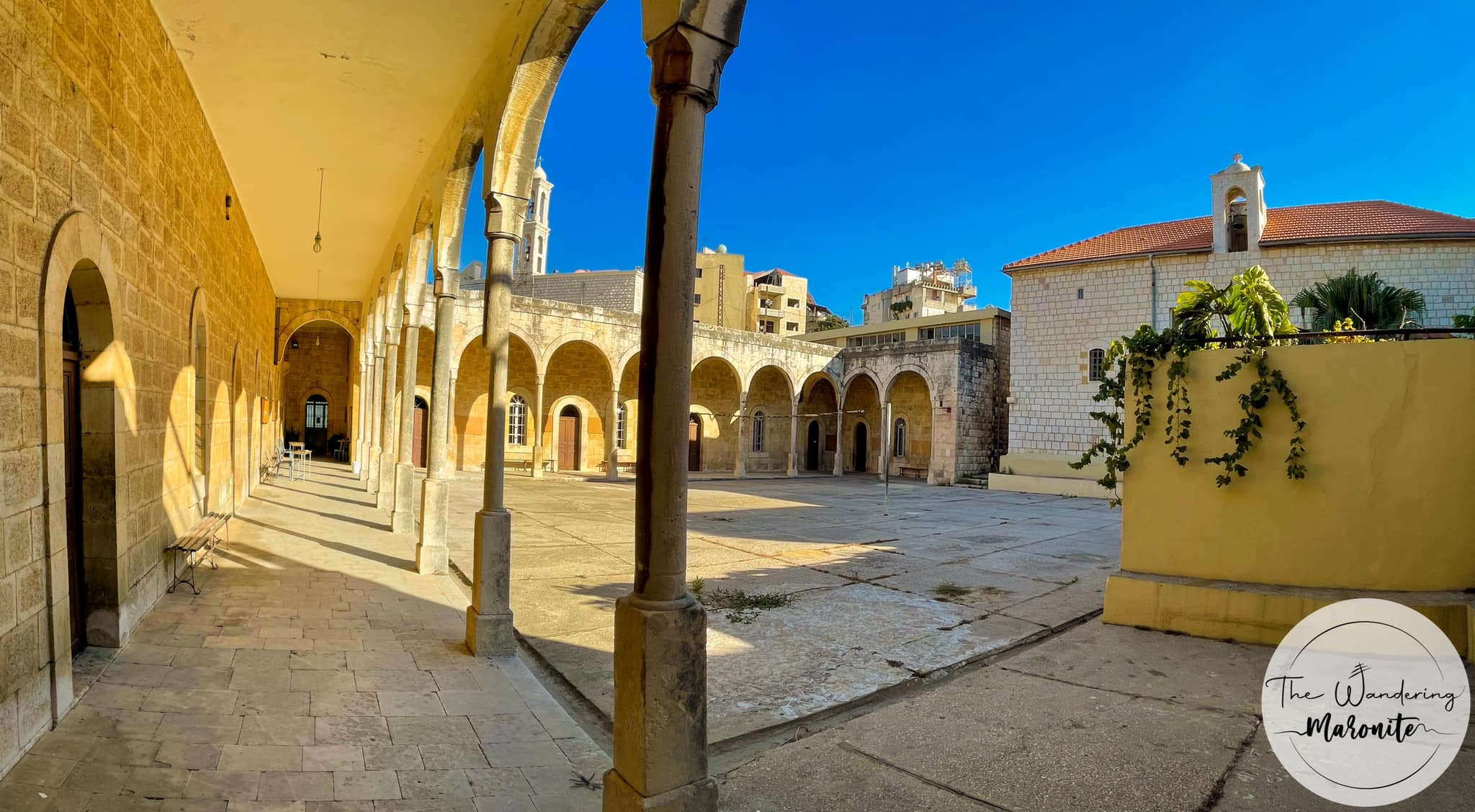
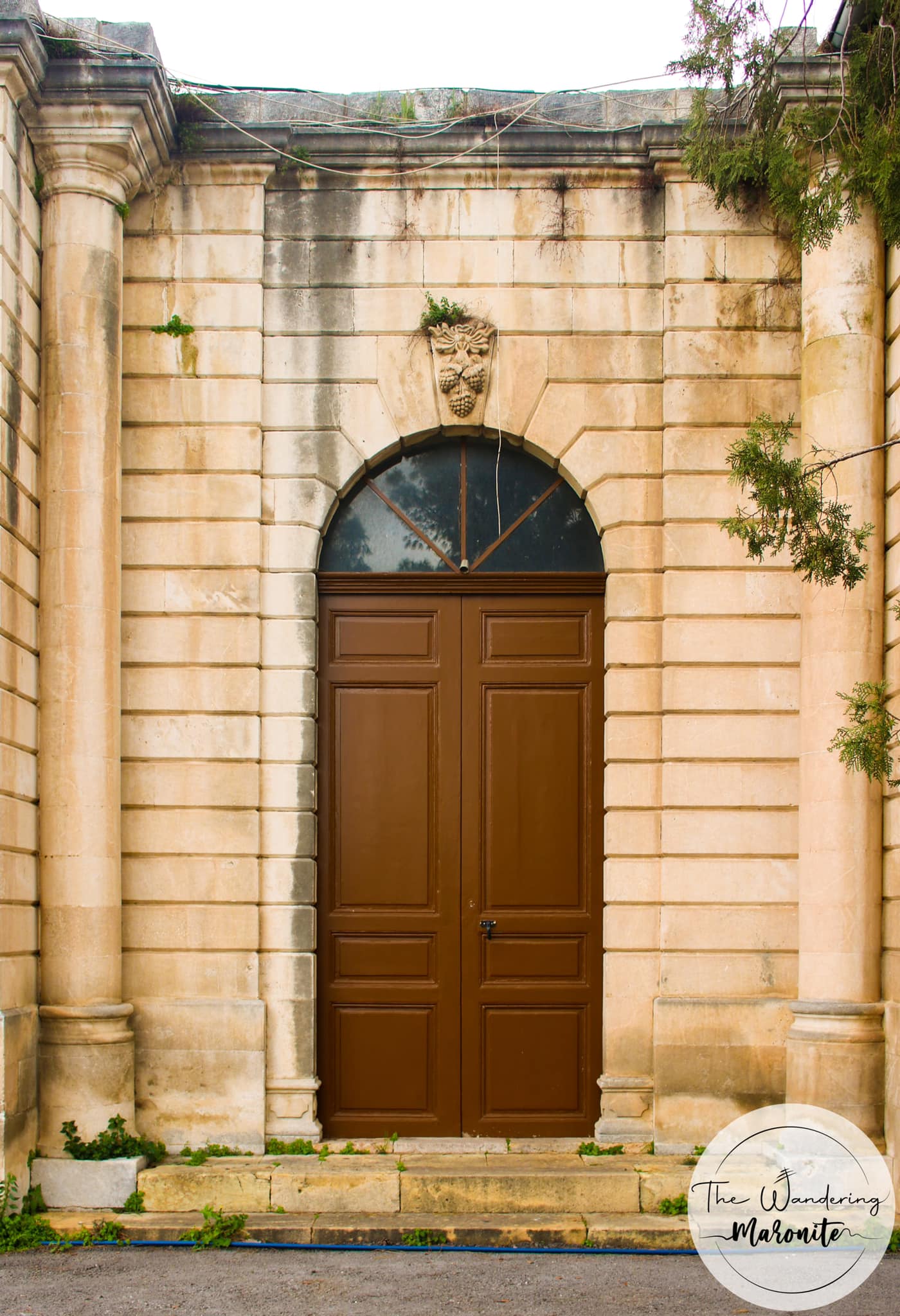
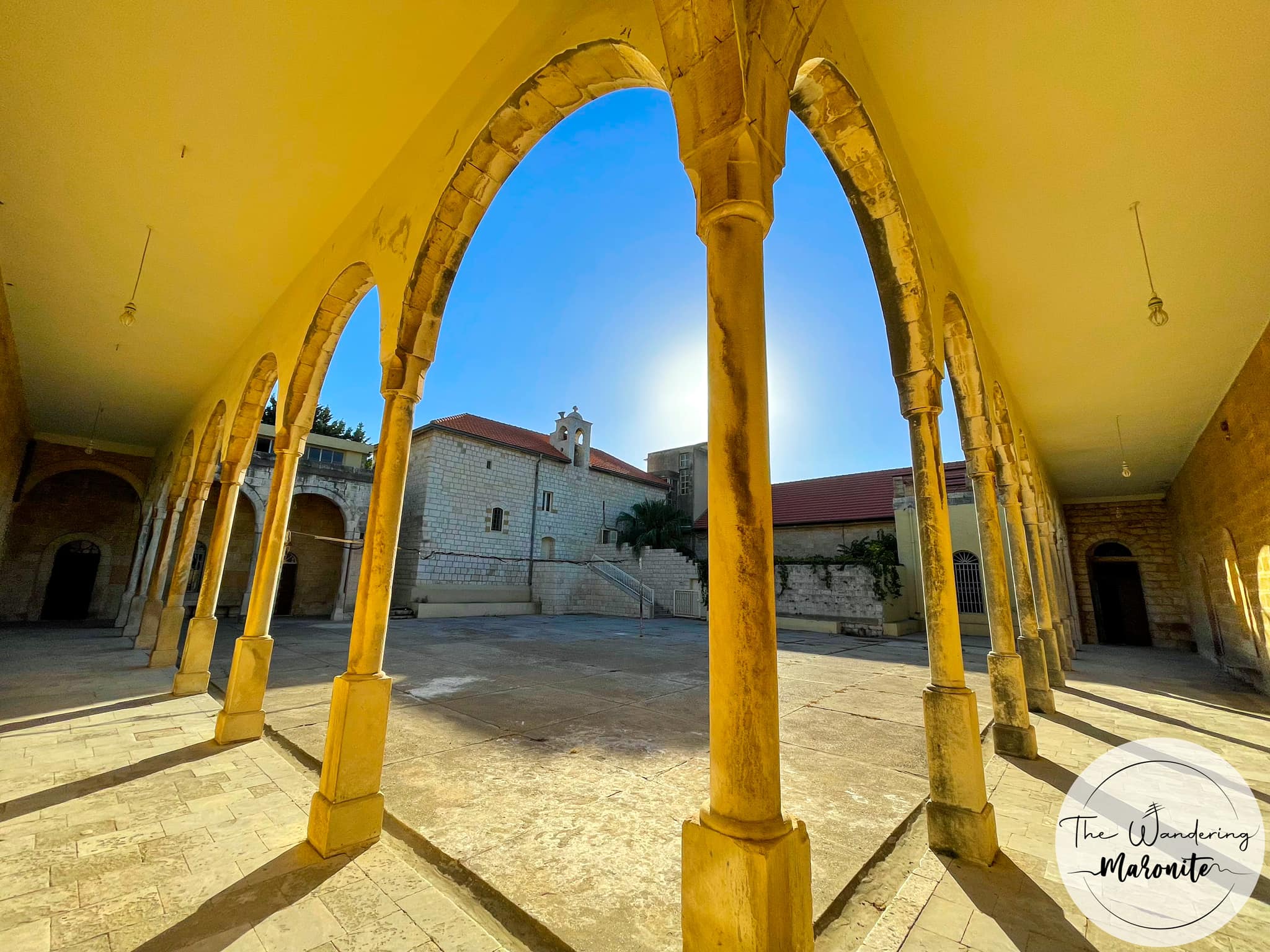
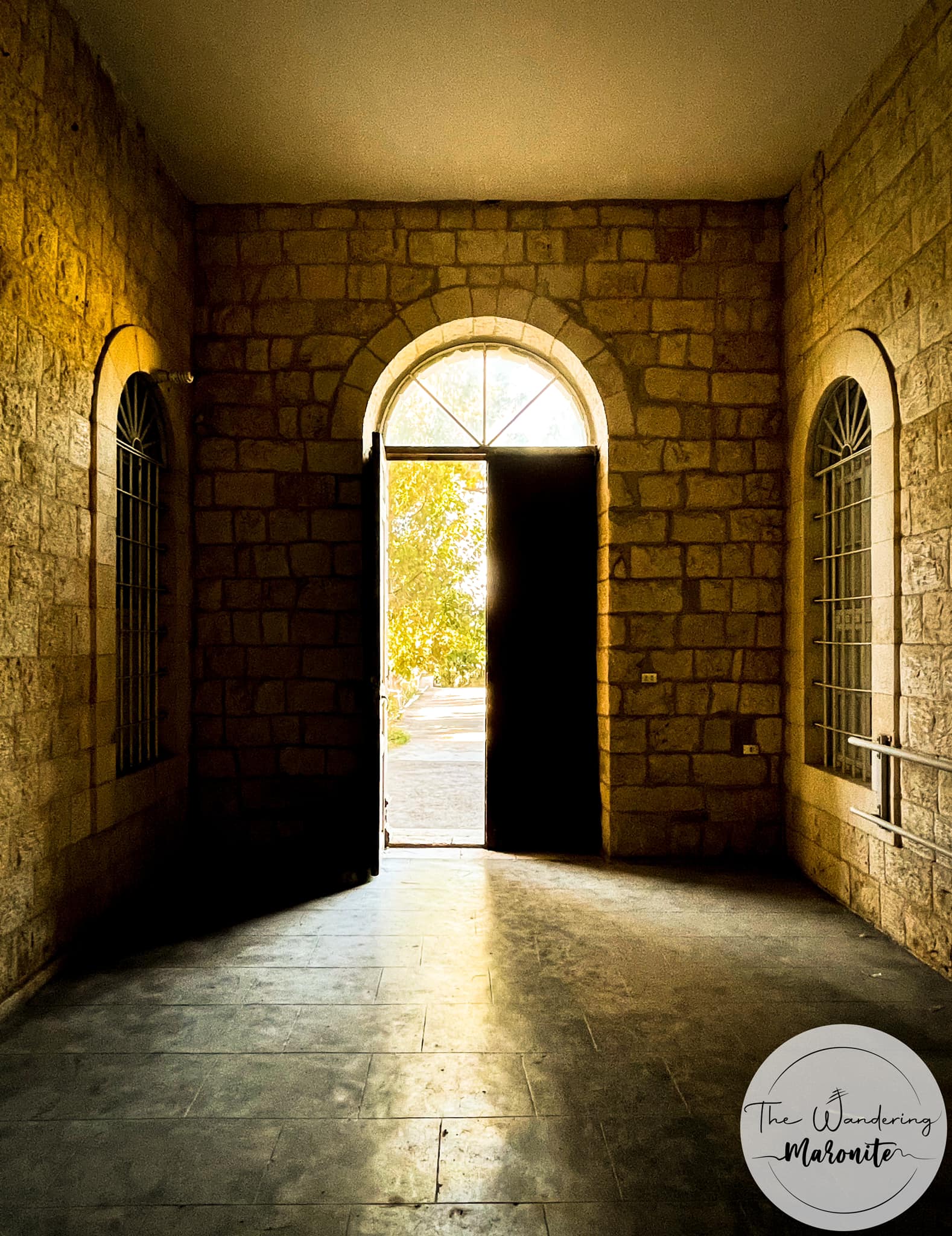
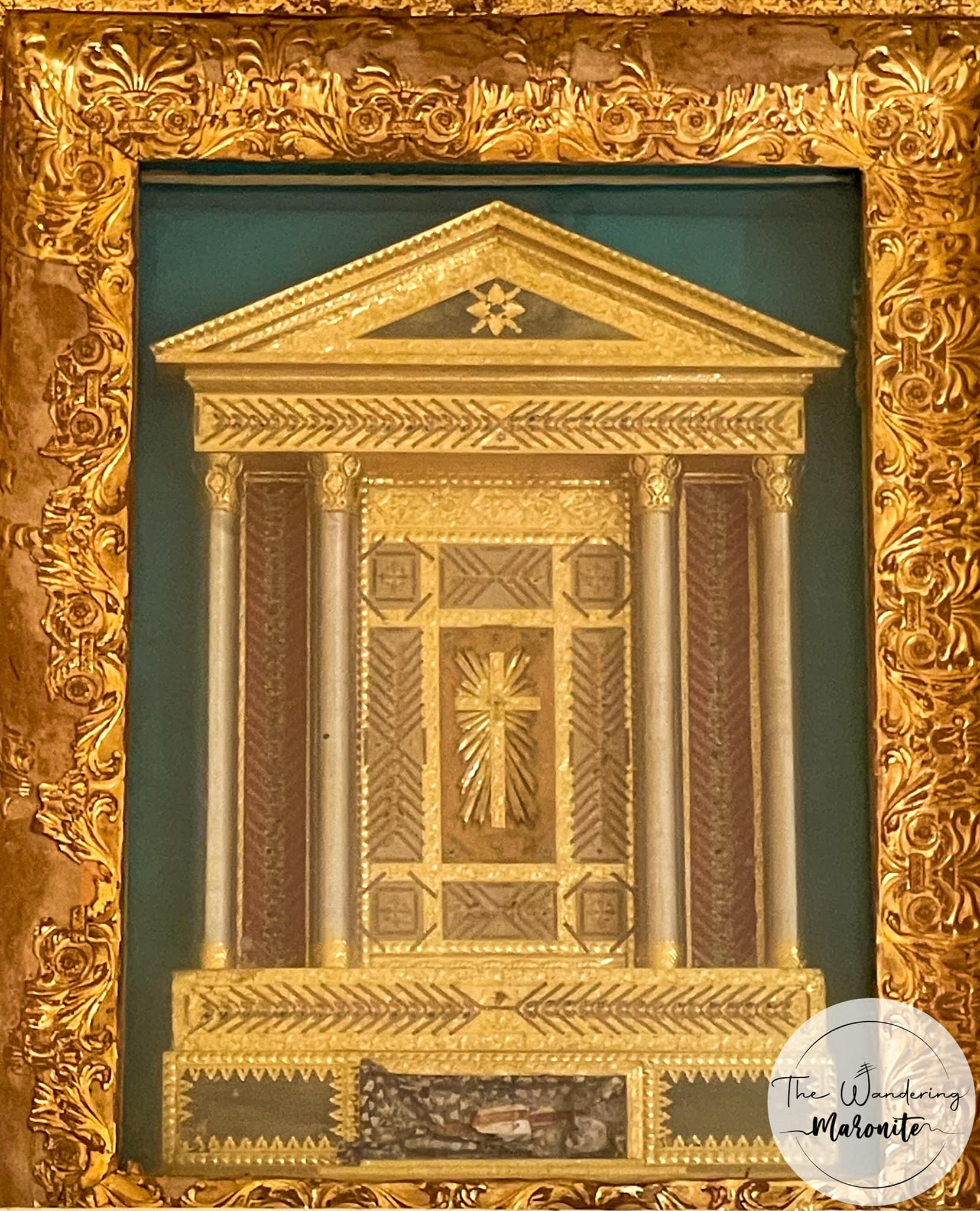
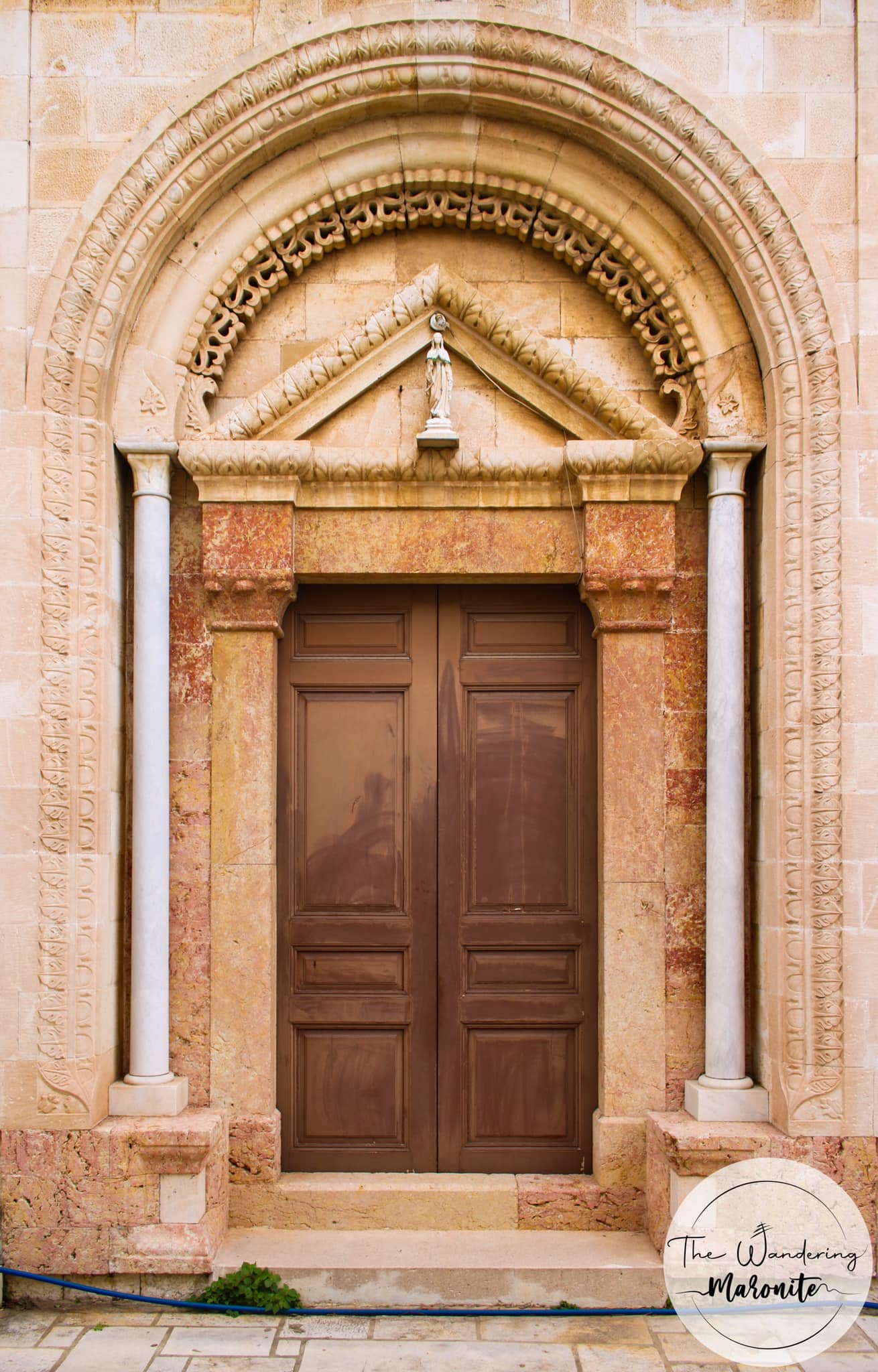
Zouk Mikael – The monastery of the Annunciation Khazen for the Visitandine nuns

Monastery of the Annunciation, Unnamed Road, Lebanon

Other Details

دير سيّدة البشارة الخازن لراهبات الزيارة

Zouk Mkayel

Keserwan

Mount Lebanon

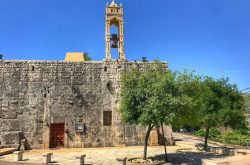
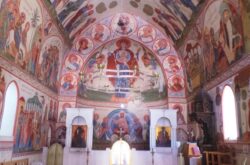
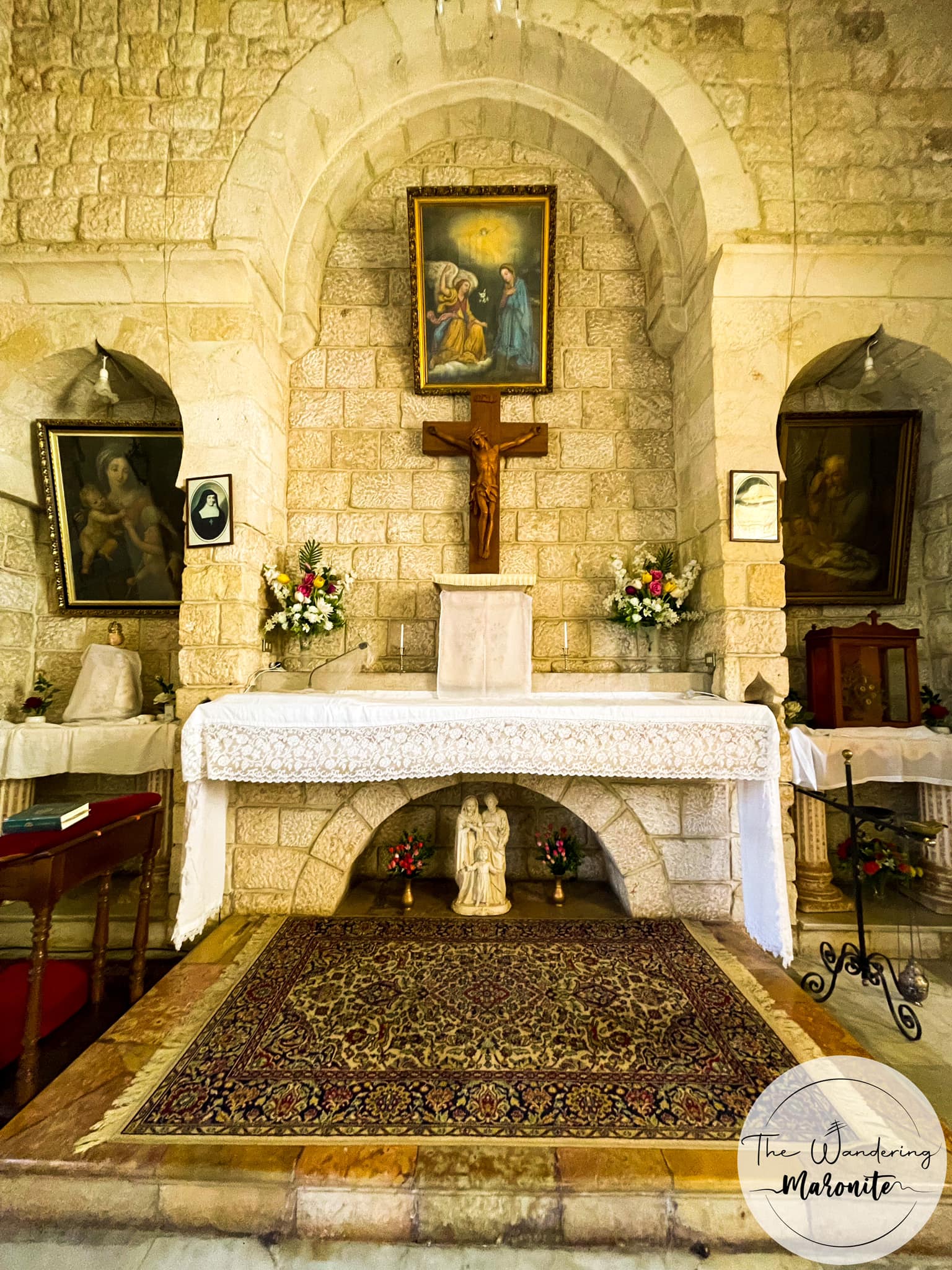
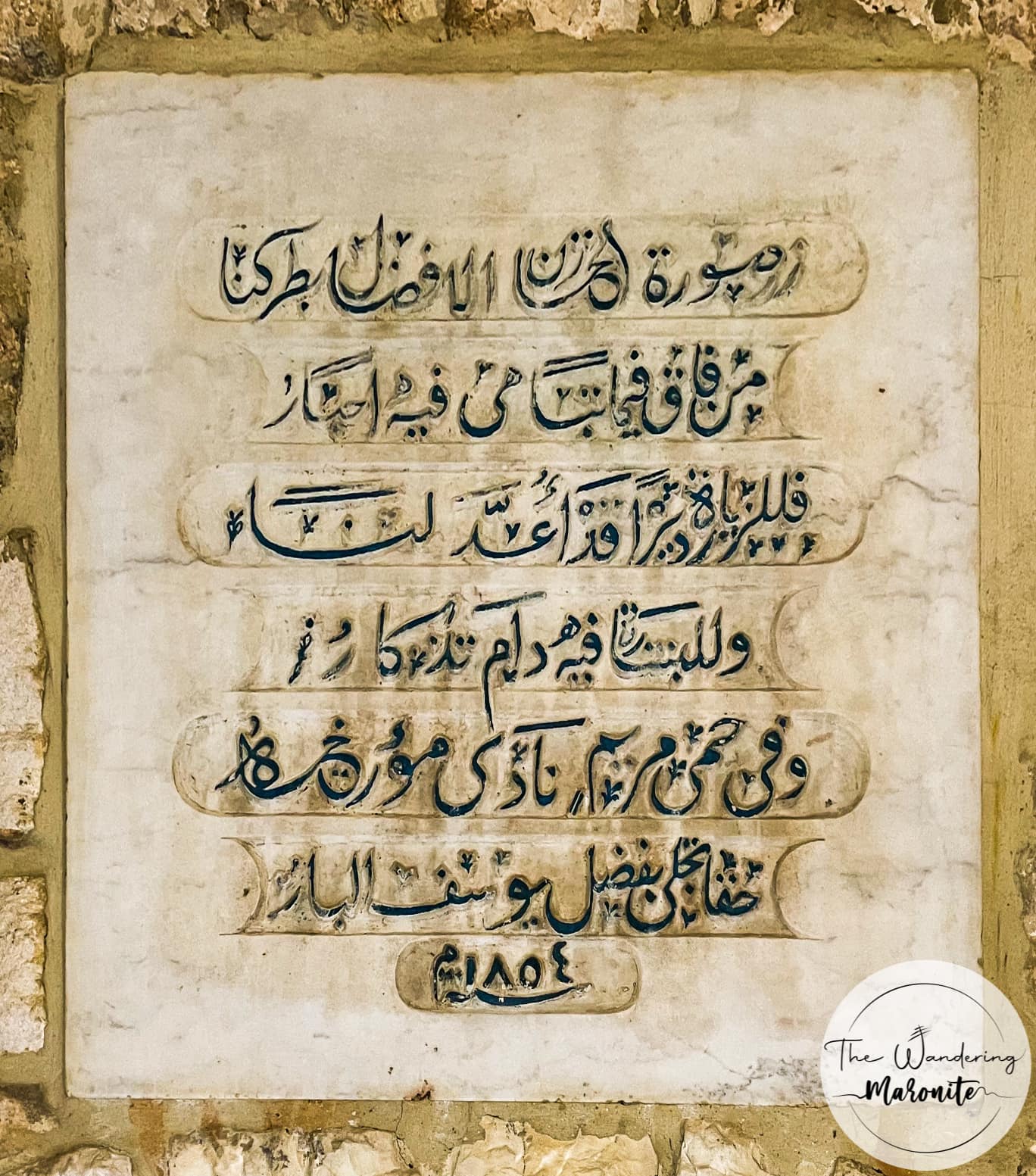
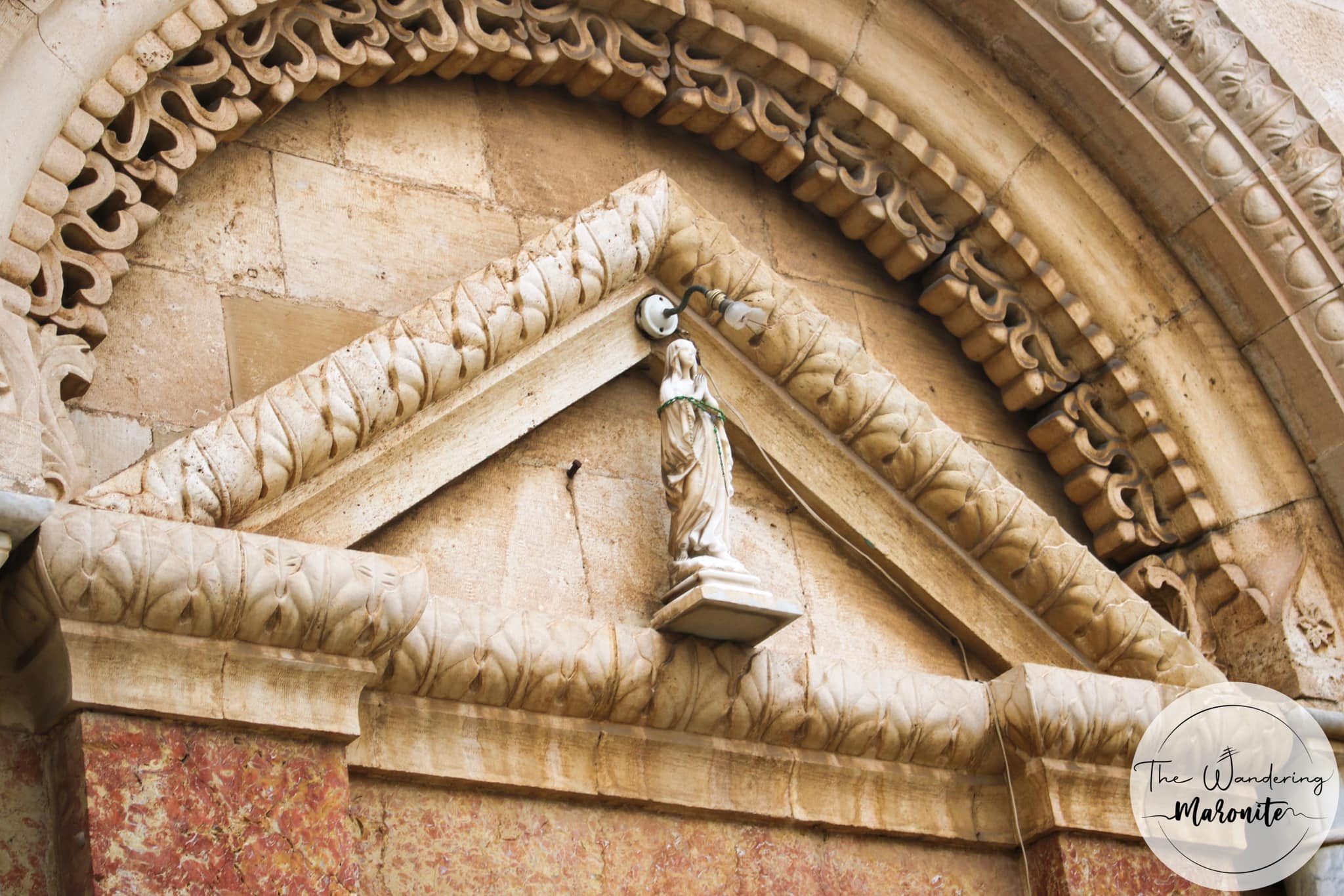
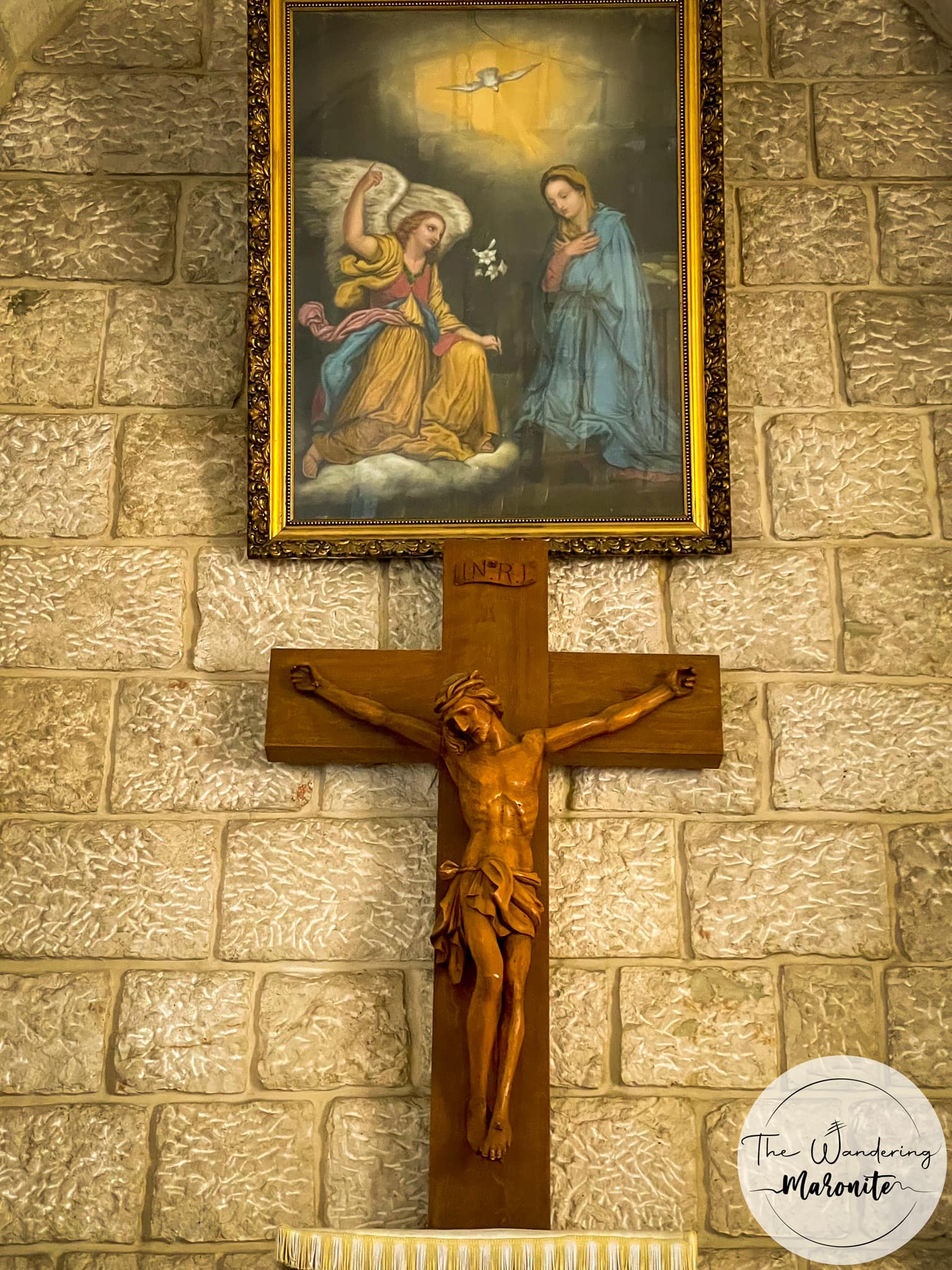
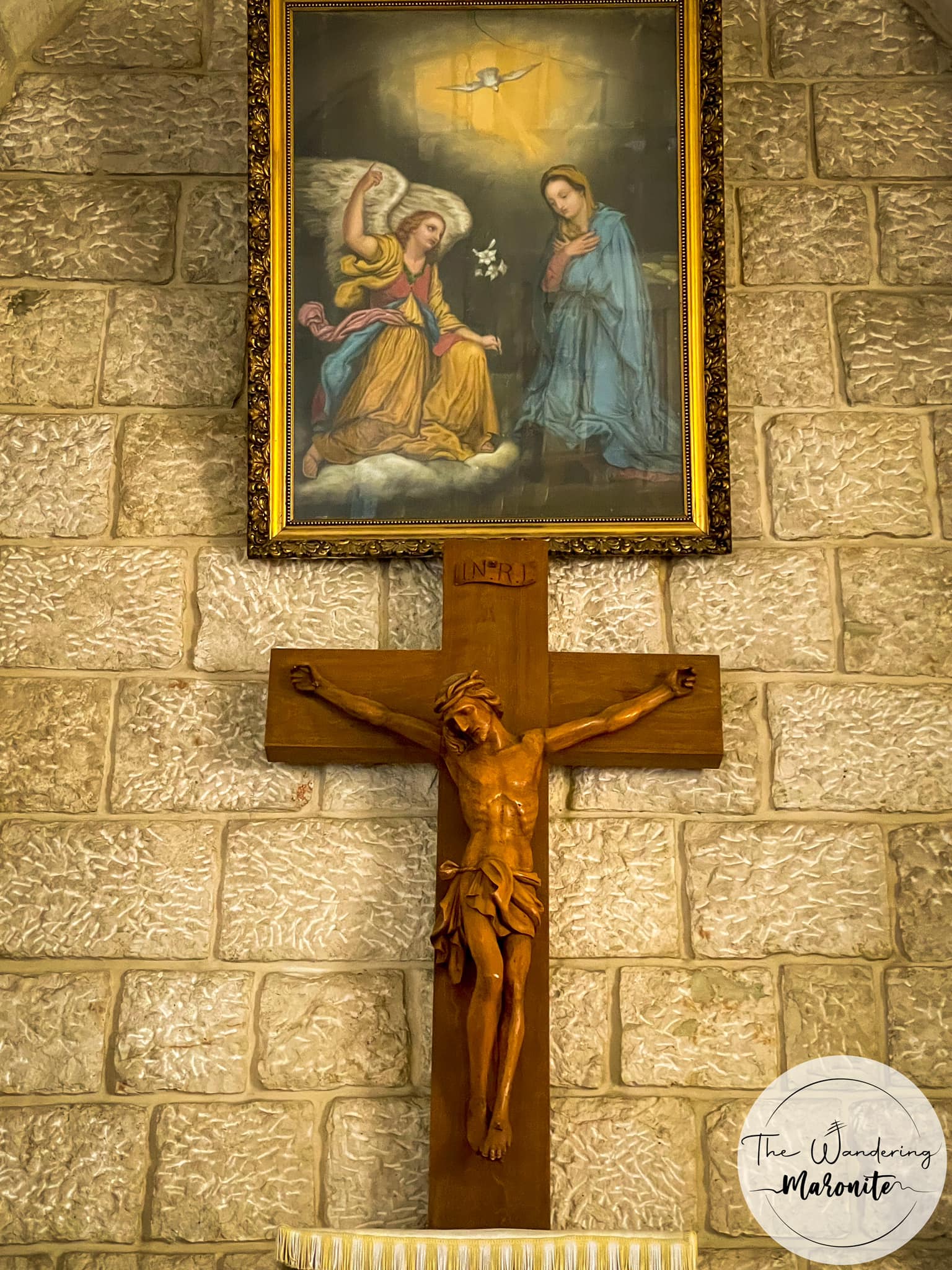
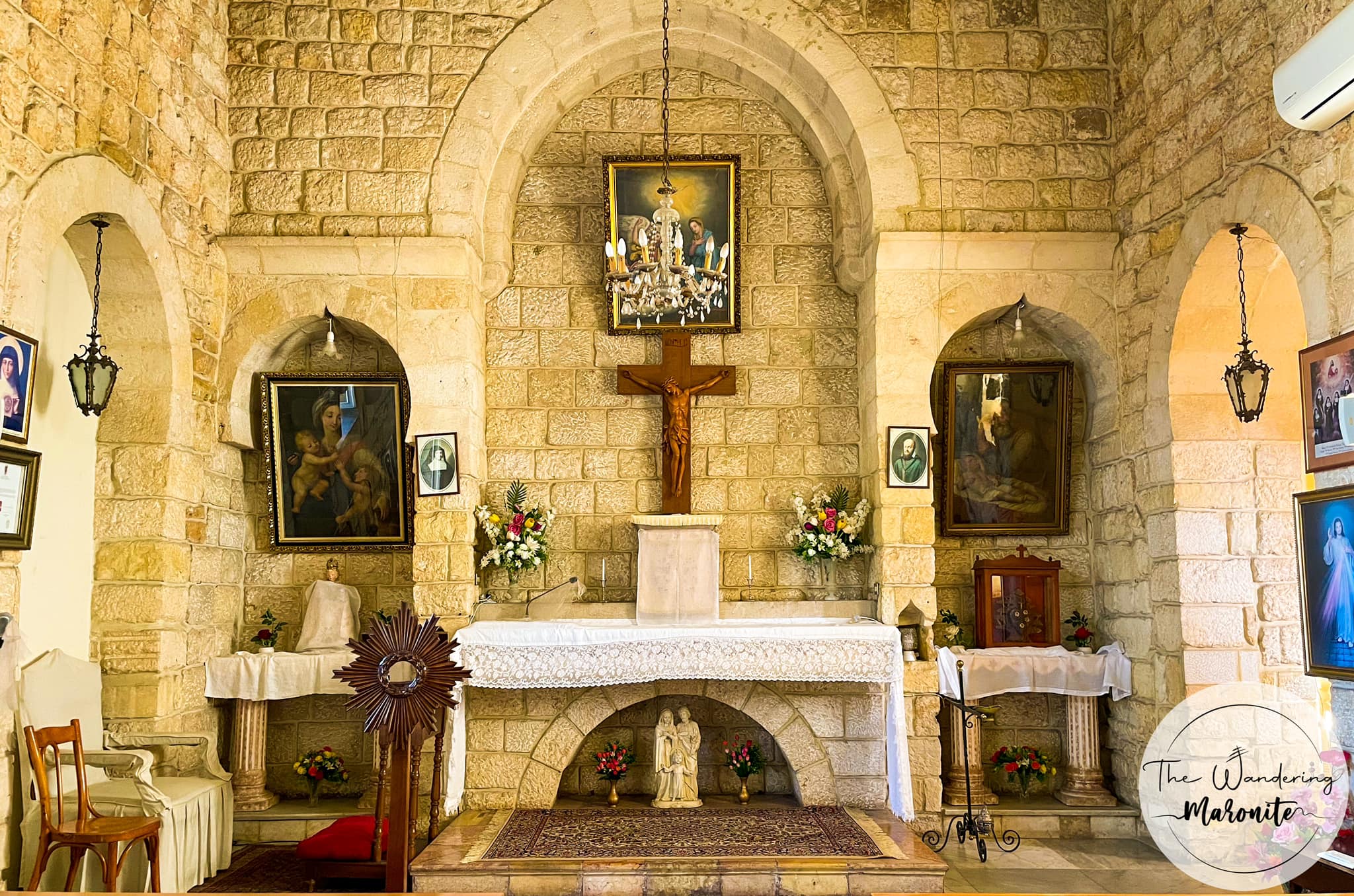
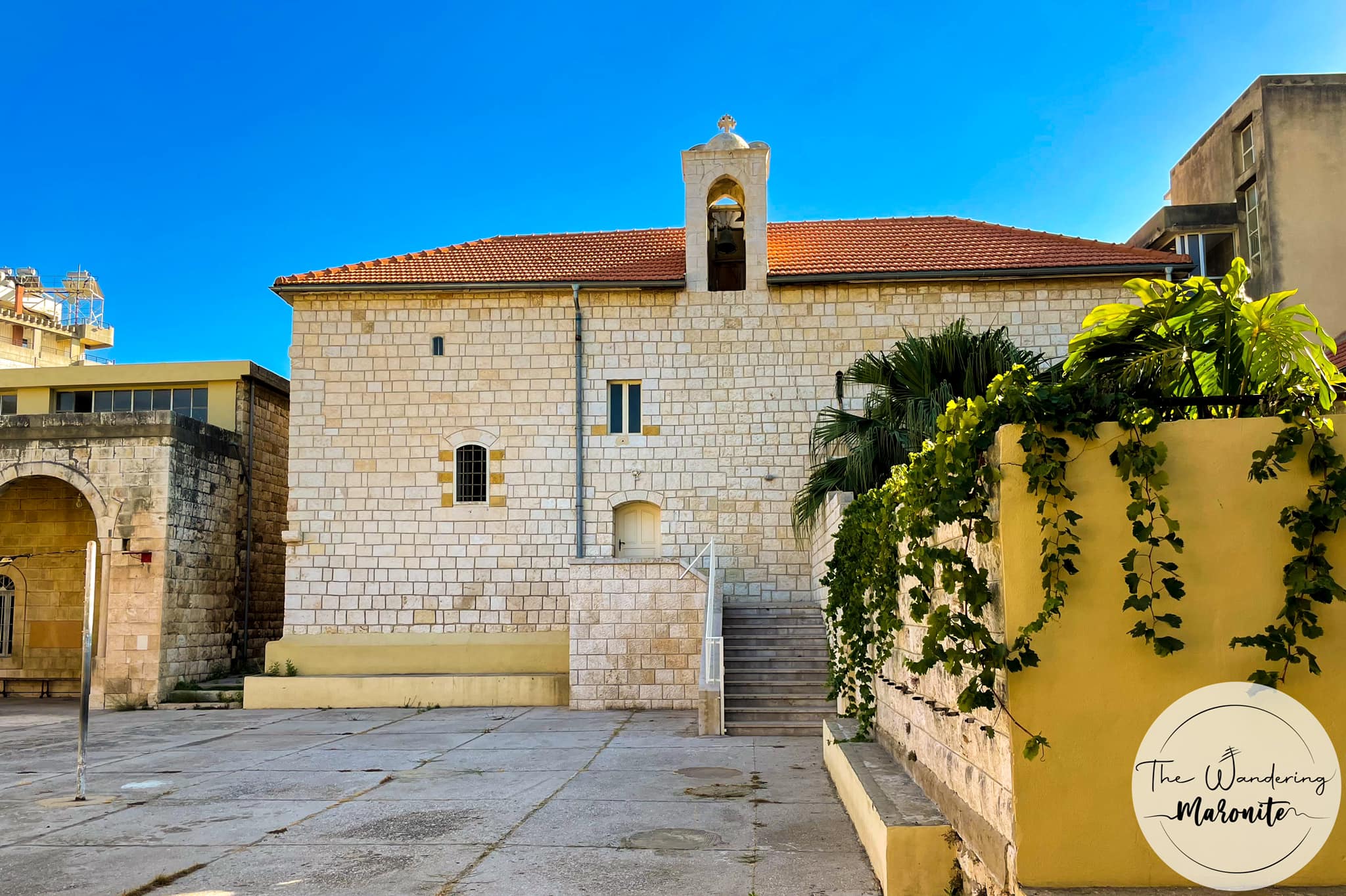
دير سيّدة البشارة الخازن لراهبات الزيارة - زوق مكايل سنة ١٨٢٥ بعد وفاة الشيخ بشارة جفال الخازن، كرَّس البطريرك يوسف حبيش حارته ديراً على اسم سيّدة البشارة. كان الدير أوّلاً خاصًا ببنات عائلة الخازن، اللواتي نظمن حياتهنّ بحسب قانون مار فرنسيس السالسيّ لراهبات الزيارة. مع مرور الزمن أصبح الدير يستقبل كافة البنات اللواتي يُردن اعتناق الحياة الديريّة التأمليّة المحصنة. وراهبات الزيارة ما زلن يحافظن على نمط حياةٍ تقليديّ بحسب قانونهنّ. كنيسة الدّير مسقوفة، تتميَز بخوروس الراهبات الموجود آخر الكنيسة وهو أعلى من مستواها، خلف مكان جلوس العوام، يعلوه متخّتين للراهبات العجائز. The monastery of the Annunciation Khazen for the Visitandine nuns - Zouk Mikael In 1825 after Sheikh Bchara Jaffal el Khazen passed away, Patriarch Youssef Hbeich converted his estate into a nunnery dedicated to our Lady of the Annunciation. The nuns where essentially from the Khazen family and adopted the rule of St Francis of Sales for the visitandine sisters while remaining maronites. With time the monastery began to accept girls from outside of the Khazen family who wanted a strict observance and a contemplative way of life that is still practiced today. The chapel of the monastery is roofed, it is distinguishable by it’s nuns choir at the end of the church, and three mezzanines used by older nuns to participate in the liturgy.

Visited 4835 times, 7 Visits today

Reviews are disabled, but trackbacks and pingbacks are open.

Related Listings

El Mzekke Broummana – The monastery of St Isaiah

Saint Isaiah (Mar Shaaya), Jouret El Ballout, Lebanon

دير مار شعيا

Broummana El-Matn

Metn

Mount Lebanon

دير مار شعيا - المزكه برمانا

سنة 1673 قام المطران جبرايل البلوزاني رئيس أساقفة حلب (البطريرك لاحقًا) بتأسيس حركة رهبانيّة تتبع قانون مار أنطونيوس الكبير وهدفها تبشير الدروز. سنة 1698 أُرسلت مجموعة من الرهبان لتأسيس ديرٍ في برمانا هم: سليمان الحجّة المشمشاني، وعطالله كريكر الشبابي، وموسى زمّار البعبداتي. فاشتروا أنقاض ديرٍ قديمٍ على تلّة بجوار برمانا. سنة 1700 بدأ الرهبان الأنطونيون تأسيس ديرٍ جديدٍ على اسم مار شعيا الراهب الحلبيّ. أصبح الدّير الدّير الأم للرهبانيّة الأنطونيّة الناشئة التي ثبّتها البابا أقليمنضوس الثاني عشر سنة 1740. إرتبط الأنطونيّون بدير التأسيس لدرجة أنّهم أصبحوا يتكنّون برهبان مار شعيا. أصبح الدير جسر علاقة بين الرهبانيّة وحكّام الجبل، أمراءِ آل أبي اللمع وآل شهاب الموحِّدّين ما حدا بأفرادٍ من الأسرتَين الكبيرتَين اعتناقَ الإيمانِ الكاثوليكي ونشره في مناطقَ متنيّة. تعاقبت الحروب على الدير وتركت بصماتِها الهدّامة من أحداث ١٨٤٠ و١٨٦٠، إلى الحرب العالميّة الأولى، وقد كانتِ الأشرس، فدمّر الجيش العثمانيّ الدير وأحرق مكتبته. رُمّم الدّير على مراحل عديدة وأُعيد بناؤه. كنيسة الدّير كناية عن عقدٍ مُصالبٍ ينتهي بحنية نصف دائريّة. تتميّز الكنيسة بخورسها الخشبيّ بين المذبح والسوق الرئيسيّ.كذلك تحوي الكنيسة أرغن الموسيقار الكبير الأب يوسف الأشقر أحد روّاد الموسيقى الكنسيّة المارونيّة. كذلك تحوي لوحة مار شعيا التي تعود لعام 1907، وجداريّة خلف المذبح من عمل الرسّام أسعد رنّو.

The monastery of St Isaiah - El Mzekke Broummana

In 1673 the archbishop of Aleppo Mgr. Gebrayel el Blouzany (later Patriarch), started a monastic movement according to the Rule of St Anthony the great, with the aim of evangelizing the Druze. In 1698 a small group of monks were sent to start a monastery in Broummana: Sleiman Hajje from Meshmesh, Atallah Kreiker from Beit Chabab, Moussa el Zemmar from Baabdat. In 1700 the monks bought the ruins of an old monastery on a hill in the vicinity of Broummana. The monastery was dedicated to St Isaiah the Aleppan monk, and the monastery became the motherhouse of the new order that was recognized by Pope Clement XII in 1740. The monks became commonly known as the monks of St Isaiah. The monastery became a mission hub and many Druze were converted by the monks, it was noted that many princes from the families of Shehab and Abi el Llamah became Maronites and helped spreading the catholic faith in the Metn region. The monastery suffered greatly during the wars of 1840 and 1860, it was severely damaged during World War I and its great library was burnt down. Yet it was always restored and rebuilt. The monastery's church is a crossed vault ending with a semi circular apse. The nave and the sanctuary are separated by wooden choir stalls. The church holds the organ of Fr. Boulos el Ashkar a pioneer in Maronite ecclesiastical music, a painting of St Isaiah from 1907 and a fresco of the saint by Assaad Renno.

Mrah el Mir Qlayaat – The Monastery of St Rock

St.Rock Church كنيسة مار روكز, Lebanon

دير مار روكز

Qleiaat Kesrouane

Keserwan

Mount Lebanon

دير مار روكز – مراح المير القليعات
يُعتَبَر دير مار روكز – مراح المير أوَّل ديرٍ للرهبانيَّة في قضاء كسروان. بُني في ٢٦ أيلول ١٨٥٤، في عهد الأب العام سابا كرَيدي، بعد أن حصلت الرهبانيّة على رضى البطريرك يوسف راجي الخازن. وكان الانتهاء من بناء الدير سنة ١٨٦٢. سنة ١٩٩٠ رُمّم الدّير بعد القذائف التي دمّرت قسمًا كبيرًا منه، وبنيت بقربه مدرسة لتعليم الأولاد.

The Monastery of St Rock - Mrah el Mir Qlayaat
The Monastery of St Rock is the first one for the Lebanese Maronite Order in Kesserwan. It was built in 26 september 1854 during the reign of Abbot Saba Kreidy after the approval of Patriarch Youssef Raji el Khazen, and the construction was done in 1862. In 1990 the monastery was renovated after it was damaged by bombshells during the civil war. A shcool was added to educate local children.

Smar Jbeil – The church of St Takla

Saint Takla Church - Smar Jbeil, Smar Jbeil, Lebanon

كنيسة مارت تقلا

Smar Jbayl

Batroun

North

كنيسة مارت تقلا - سمار جبيل
هي كنيسة صغيرة بجوار كنيسة مار نوهرا الرعائيّة، مؤلّفة من سوق واحد ينتهي بحنية. بحسب التقليد المحليّ يعود وجود كنيسة لتكريم مارت تقلا بالقرب من كنيسة مار نوهرا، لأنّ شقيقة القديس نوهرا كانت تدعى تقلا، وقد تبعت أخاها في تبشيره، واستشهدت مثل شفيعتها ثم دفنت هي ايضاً في سمار جبيل. إلا أنّه لا دلائل تاريخيّة حتى الآن تثبت هذه المقولة. الكنيسة تعود لأواخر القرن الثامن عشر.

The church of St Thecla - Smar Jbeil

The church is a small chapel near the parish church of St Nohra. It consists of a single aisle ending with an apse. According to local traditions the church is dedicated to the patroness of St Nohra’s sister also called Thecla and also a martyr, yet no historical records show that. The church dates back to the late XVIIIth century.